At SuRaksha Parhit Foundation, we often meet children when they are already struggling, unable to cope in school, falling behind, or on the verge of dropping out. But if there is one thing our work has taught us over the years, it is this:
By the time we step in, the story has already begun. And in many cases, the first chapter was the hardest.
When we talk about education, we usually think of school fees, books, uniforms, and exams. But long before a child enters a classroom, something far more important is taking shape. In the first five years of life, a child’s brain is developing at a pace that never repeats itself. This is when they learn to speak, to trust, to respond, to feel safe, and to explore the world.
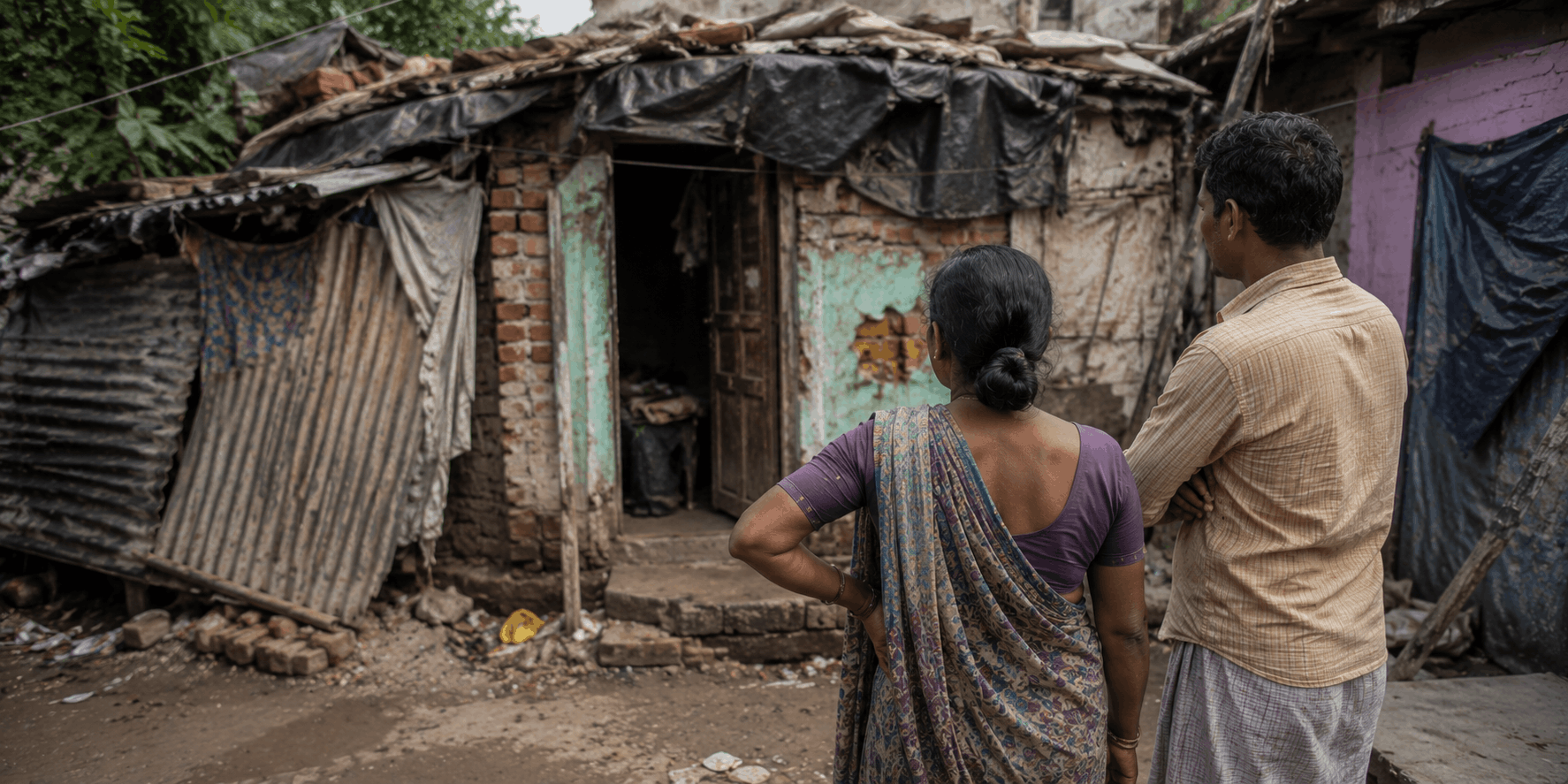
And yet, for many of the families we work with, these years are not filled with learning and play. They are filled with survival.
We have seen homes where: Parents leave early for daily wage work, with no one to engage with the child, Nutrition itself is uncertain, let alone stimulation or play, Conversations are limited, not by choice, but by exhaustion, Exposure to books, stories, or structured learning is almost non-existent. In such situations, children are not lacking ability. They are lacking opportunity.
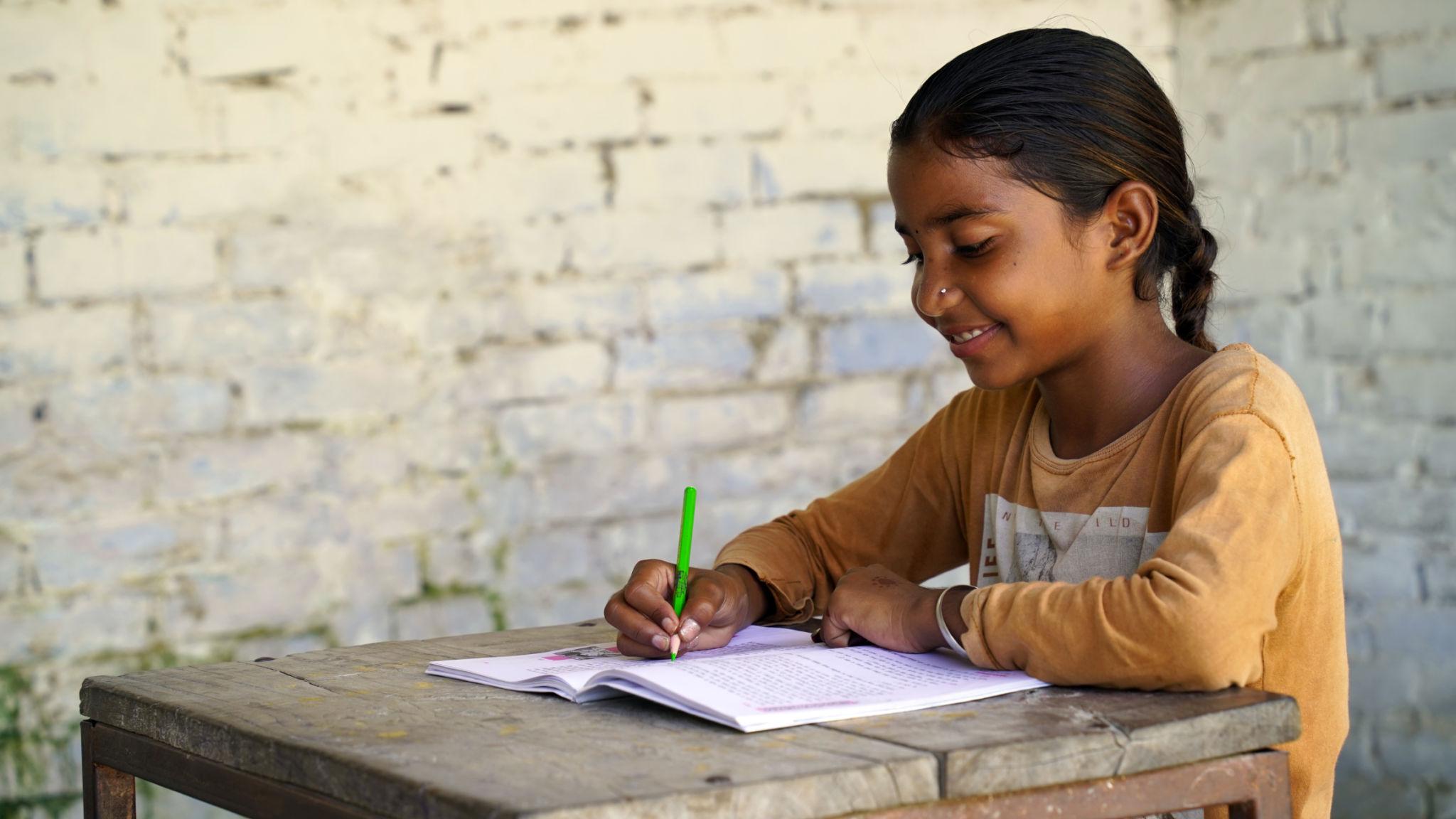
By the time these children enter school, the gap has already formed. Some struggle to understand simple instructions. Some find it difficult to sit still or focus. Others hesitate to speak, unsure of what to say. This is often misunderstood as a lack of interest or ability. But what we see is something else entirely, a child who was never given the right start.
When a child receives the right support in the early years, even something as simple as: Someone talking to them regularly, Access to basic preschool learning, A safe and responsive environment, Proper nutrition
The difference is remarkable. They enter school with confidence. They are curious, not fearful.
They are ready, not just to attend, but to learn.
At SuRaksha, our work often begins with school-going children. But increasingly, we are realizing that if we truly want to change outcomes, we must look earlier.
Because:
A child who is ready at five rarely needs rescue at ten. A small shift, a lifelong impact
Early childhood support does not always require large resources. Sometimes, it is about awareness, about guiding families, about creating small, consistent interventions.
But the impact is never small. It shows up years later, in a child who stays in school, who believes in themselves, who dares to dream.
In the end, we often say that education changes lives. But the truth is:
It is the first five years that decide how much education can truly change.
And perhaps, if we begin a little earlier, we won’t just be helping children catch up; we will be helping them move ahead.