When we speak of a “ration kit,” it often sounds like a simple, practical form of support. Rice. Atta. Oil. Sugar. Pulses. Tea. Basic items. Everyday things. But for a widow living with limited or no income, a month of rations is not just about food. It is about survival with dignity.
For many widows, especially those without a steady income, food is the first and most immediate concern. Not long-term plans. Not savings. Not even healthcare. Just: What will I eat today? A month of ration answers that question, not for a day or two, but for the entire month.
It brings certainty where there was daily anxiety. Without ration support, a widow often has to stretch every rupee. She may: Skip meals to make food last longer, Buy in small quantities at higher prices, Depend on irregular help from neighbors or relatives
This constant calculation is exhausting. A ration kit changes that. It removes the daily negotiation with hunger. It replaces uncertainty with stability. When food is irregular, health suffers quickly, especially for women who are already vulnerable.
Weakness, untreated illnesses, and fatigue become part of everyday life.
With a steady supply of basic nutrition, meals become regular, strength improves, and existing health conditions become easier to manage
Food is not just sustenance; it is the foundation of health. One of the most overlooked aspects of support is dignity. Having to ask for food repeatedly can be deeply uncomfortable. Standing in lines, explaining personal circumstances, and depending on others takes a toll.
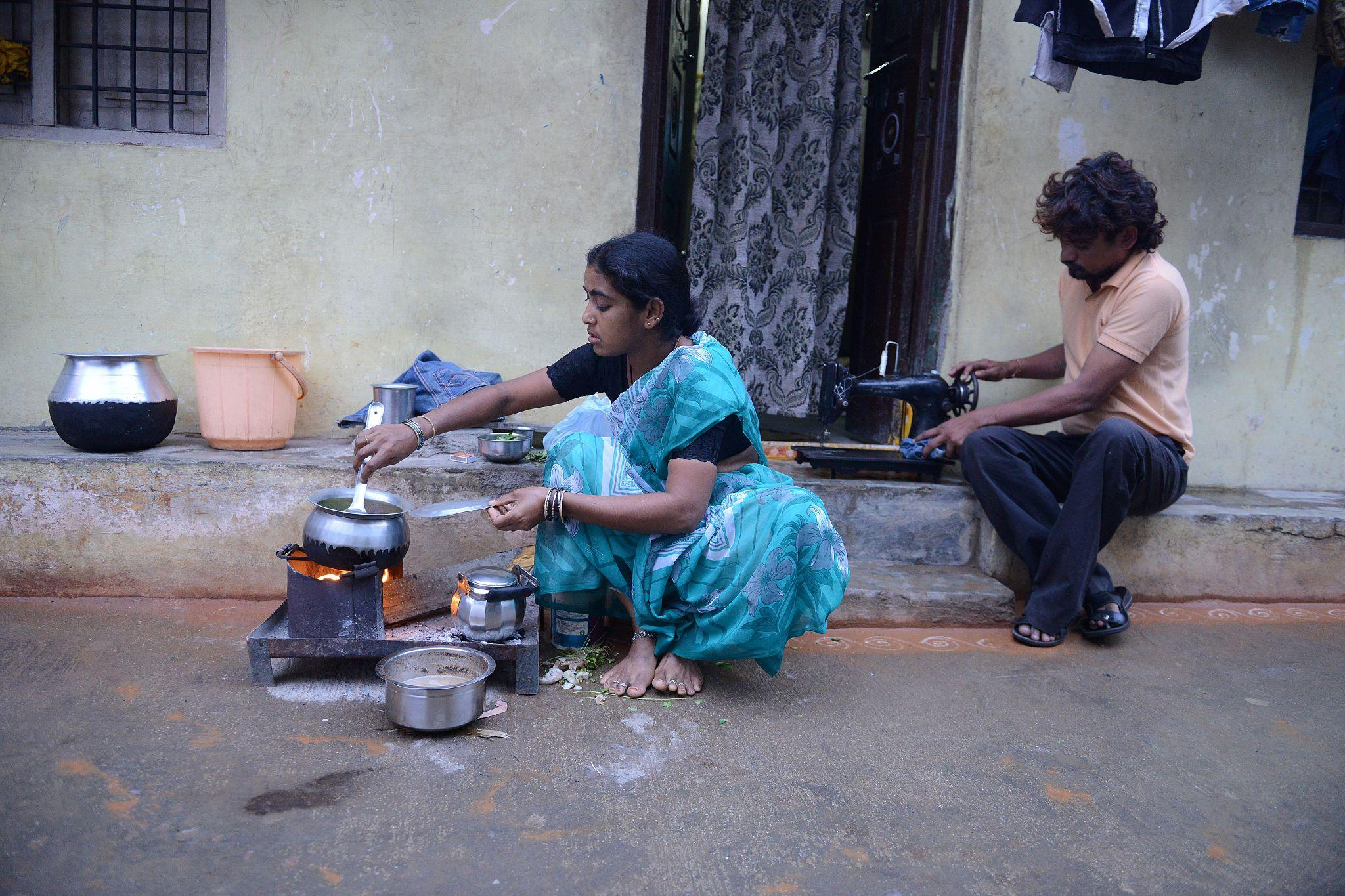
A monthly ration restores a sense of independence. It allows a widow to run her kitchen, however small, on her own terms. That quiet dignity matters. When the worry about food is addressed, even partially, something shifts.
She can think beyond survival. Take up small work opportunities, Care for children or grandchildren, manage other household needs, and focus on health without the constant stress of hunger. A ration kit does not solve everything but it creates the space to begin.
In many of the cases we support, widows are among the most vulnerable. No regular income.
Limited social support. Responsibilities that do not reduce with loss. Providing a monthly ration to them is one of the simplest things we do. And yet, it is one of the most impactful. Because it touches everyday life, quietly, consistently, meaningfully.
A month of ration is not charity. It is stability, respect, and assurance that, for at least one part of life, there will be no uncertainty this month. Sometimes, the most powerful support is not complicated. It is making sure that someone, somewhere, does not have to worry about their next meal.