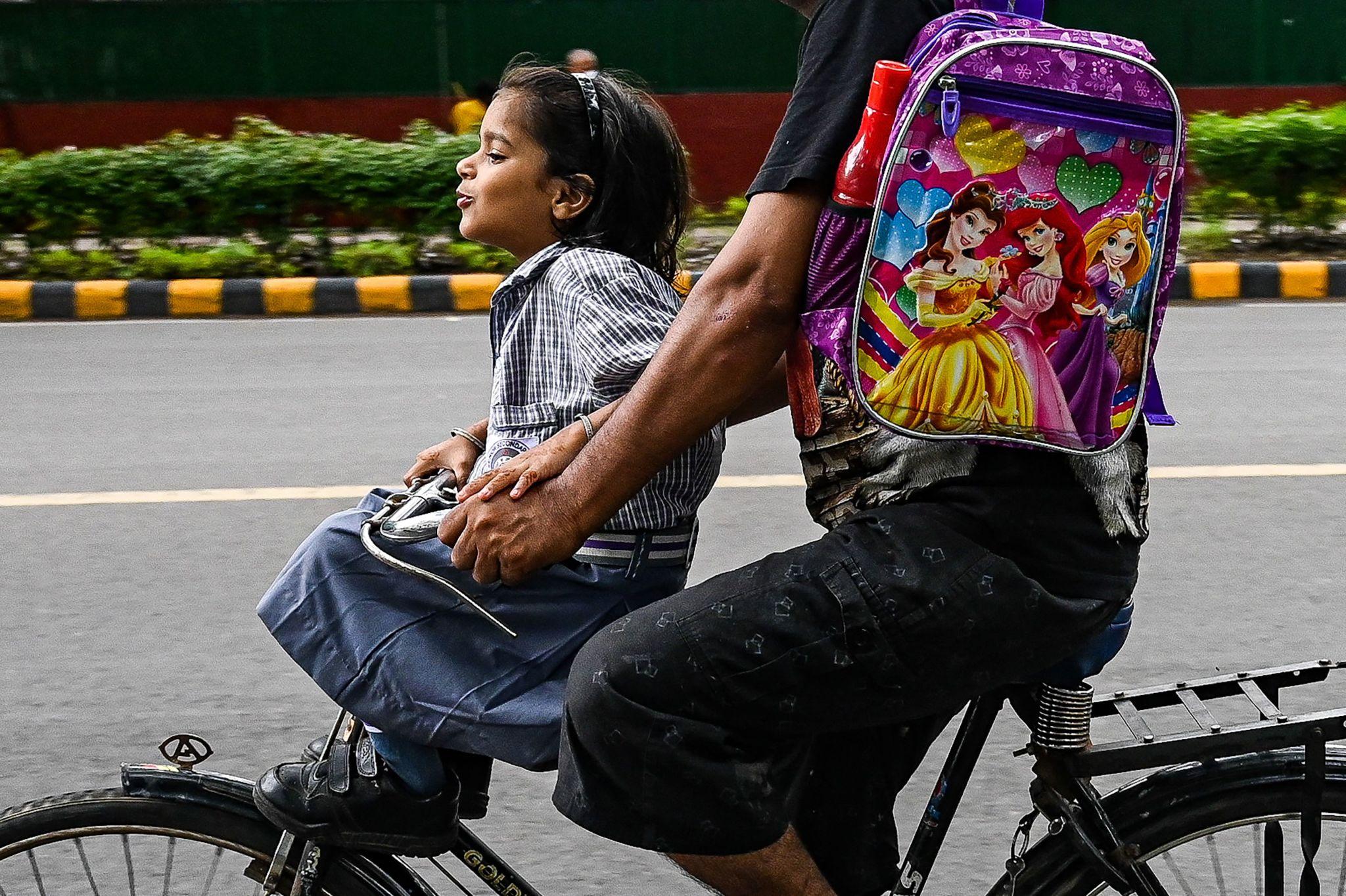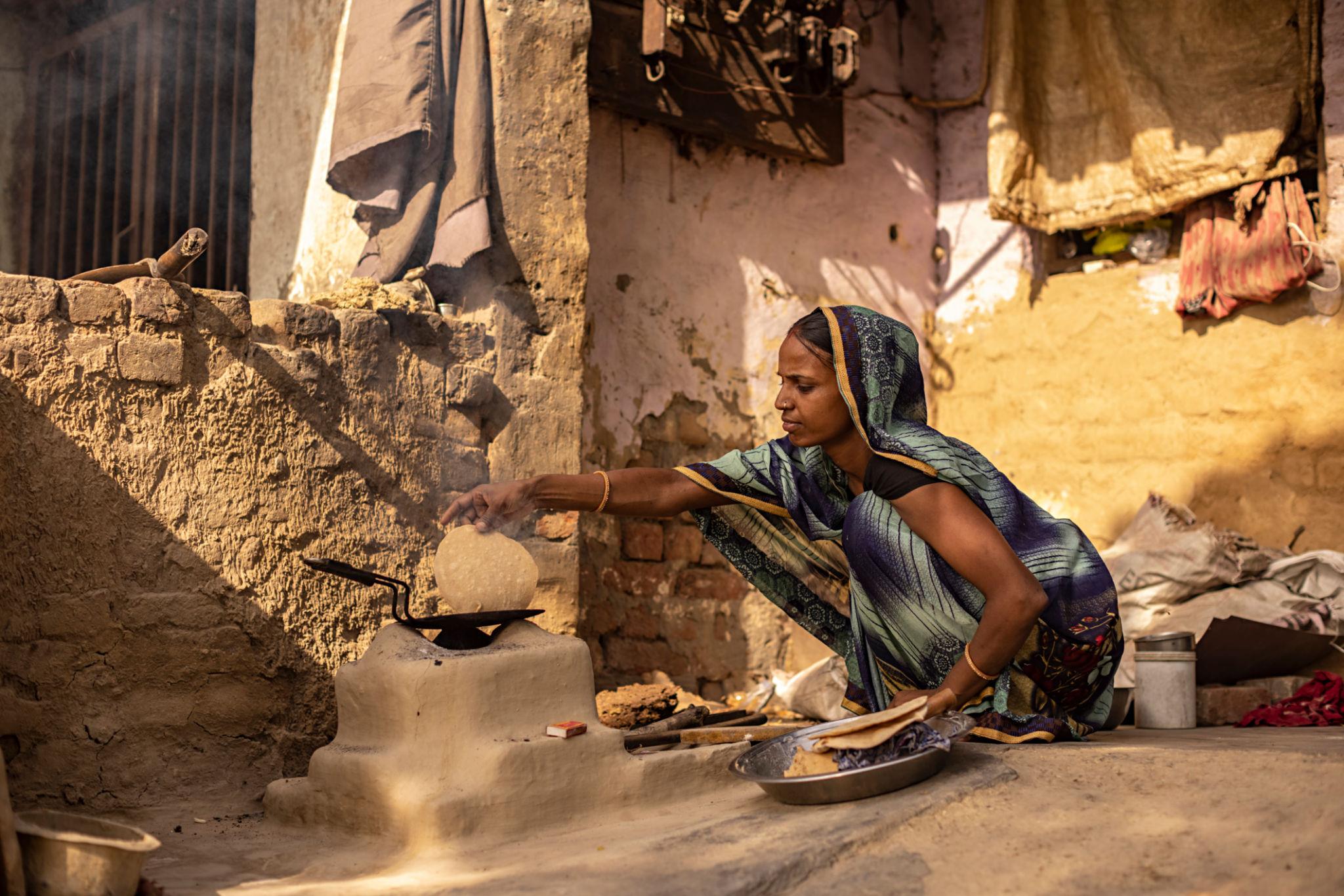
Dropping out is rarely a single event. It is usually the result of many small pressures building up, such as financial strain, family responsibilities, illness, or simply falling behind. But what follows is often more difficult than what led to it.
1. They Enter Work Too Early
For many children, dropping out means stepping into the workforce, tea stalls, small shops, daily wage labor, or household work. At first, it may seem like they are “helping” the family. But early work often comes at the cost of long-term opportunity. Without education, their options remain limited, informal, and unstable.
2. The Cycle of Poverty Continues
Education is one of the few pathways that can shift a family’s financial trajectory. When a child drops out, that possibility narrows. What we often see is a repetition of the same cycle:
low-paying work → financial instability → limited choices → the next generation facing the same challenges.
3. Girls Face Higher Risk of Early Marriage
For girls, dropping out of school can have even more immediate consequences. Once education stops, the next “step” is often seen as marriage. This not only cuts short their independence but also limits their ability to make informed decisions about their own lives.
4. Loss of Confidence and Identity
School is not just about academics. It provides structure, routine, peer interaction, and a sense of progress. When children drop out, they often lose more than education; they lose confidence. Over time, many begin to believe that education was “not for them,” even when the real issue was a lack of support.
5. Increased Vulnerability
Children out of school are more vulnerable to exploitation, unsafe work conditions, and negative influences. Without a structured environment or guidance, they are left to navigate complex realities at a very young age.
The Part We Don’t See Immediately
The impact of dropping out is not always immediately apparent. It unfolds slowly. A missed year turns into a permanent gap. A temporary pause becomes a complete stop. A short-term decision shapes a lifetime.
What Can Change This
The encouraging part is that dropout is often preventable. In many cases, it does not take a large intervention, just timely and consistent support. A school fee paid before the deadline. Rations that reduce financial pressure. Guidance that helps a child stay on track.
At SuRaksha Parhit Foundation, we have seen children on the verge of dropping out continue their education simply because someone stepped in at the right time.
In the End
When a child drops out, it is not just education that is lost. It is opportunity. It is confidence.
It is the chance to choose a different future. And that is why keeping a child in school, even through small, consistent support can change far more than it seems.