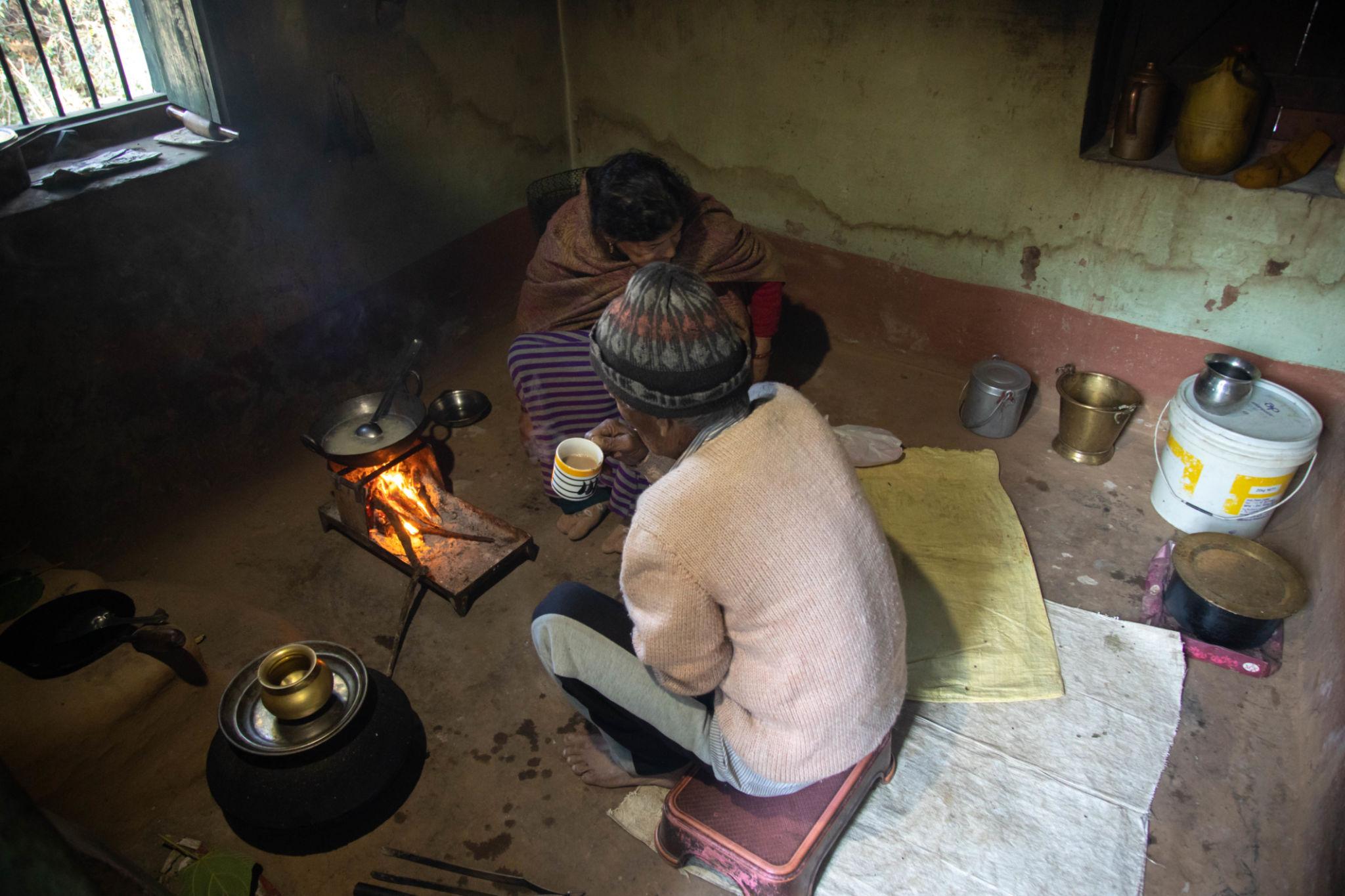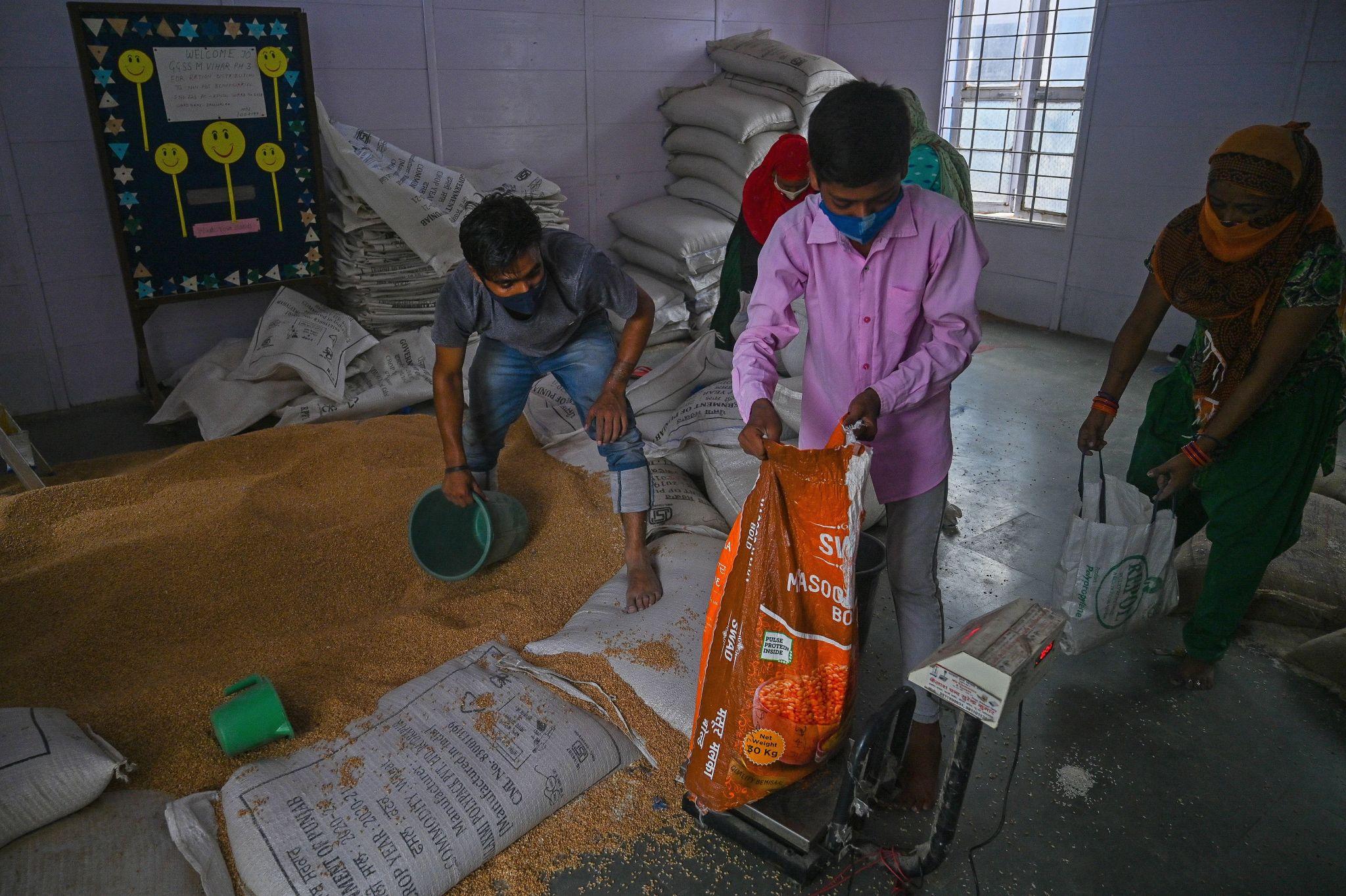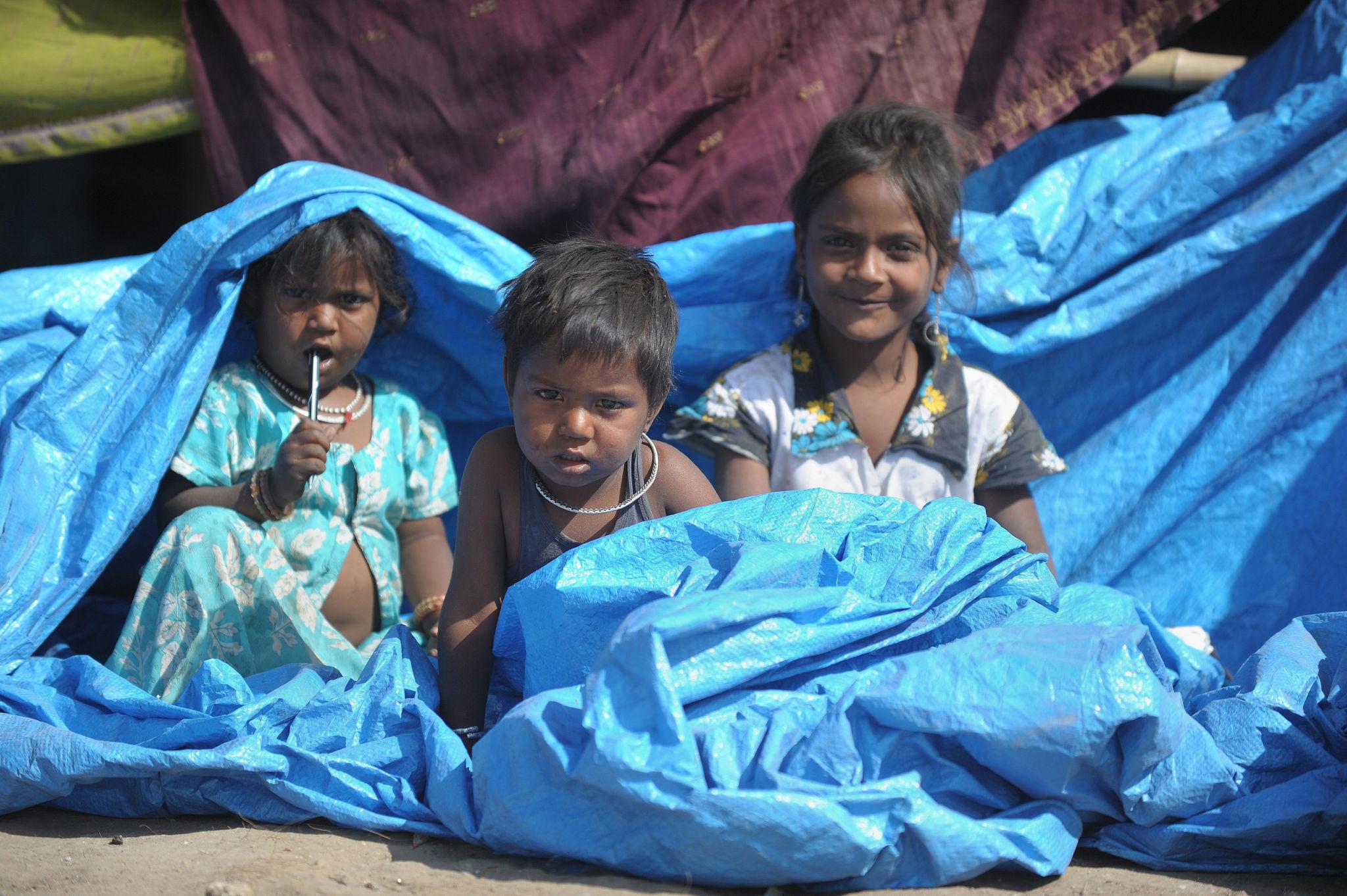
We often assume that there are systems in place. Government schemes. Subsidies. Insurance. Community support. A network that ensures no one falls too far. But on the ground, we meet families who exist in the gaps between these systems. Families who, for one reason or another, fall through every safety net.
Many of these families do not fit neatly into categories. They may not have a Below Poverty Line (BPL) card. They may not qualify for certain government benefits. They may have just enough income on paper to be considered “managing.”
But reality looks very different. Irregular work. Unstable income. Rising expenses.
They are not officially poor, but they are far from secure. And when a crisis hits, they have nowhere to turn.
Access to support often depends on paperwork. Ration cards. Aadhaar linking. Income certificates. Medical documents. Something as small as a missing document can mean exclusion from an entire system. For many families, Applications remain incomplete, processes feel overwhelming, errors go uncorrected, and slowly, they are left out not by choice, but by circumstance.
It is in moments of crisis that these gaps become most visible. An illness. A job loss. A sudden expense. Families that seemed to be coping are pushed into immediate distress. They cannot access subsidized care. They do not have savings to fall back on. They are not on the radar of formal support systems. So they borrow. They delay. They compromise. And often, they suffer quietly.
There is a group that is rarely spoken about. Not the very poorest, who may at least be identified within certain systems. But the invisible middle families who are just above the threshold, yet one crisis away from falling below it. They pay for education but struggle to sustain it, seek medical care but cannot complete treatment, manage monthly expenses but cannot absorb shocks. Their struggle is less visible, but no less real.
Safety nets are designed with criteria. And criteria, by nature, exclude. A small increase in income can disqualify a family. A technicality can delay access. A lack of awareness can prevent application. Systems work, but not for everyone, not all the time. And those who fall outside them often have no alternative.
A significant number of families we support are those who have slipped through every formal structure. They come to us not because they want help, but because they have run out of options. A family managing on a modest income until a medical emergency wiped out their savings, parents who kept their children in school for years, but can no longer pay the fees. Households that never needed help before but now do. These are not isolated cases. They are more common than we think.
Support at this level is not about replacing systems; it is about filling the gaps they leave behind. It is about being flexible where systems are rigid. Responsive where processes are slow.
Human where the criteria are fixed. Sometimes, all it takes is timely intervention to prevent a temporary crisis from becoming a long-term setback.
Safety nets are essential. But they are not complete. There will always be families who fall through not because they failed, but because the system could not reach them in time.
Because these families are often the closest to stability and the quickest to lose it. A small support at the right moment can: Keep a child in school, ensure treatment continues, and prevent debt from spiraling. Without it, the fall is fast and recovery is much harder.
Not every struggle is visible. And not every family in need fits the definition we expect.